Non-invasive prenatal testing · Sevenoaks, Kent
NIPT (from 10 Weeks)
More than a blood test. Your consultant helps you choose the right NIPT for you and explains every result, so you are never left with just a number. Add a scan to check on your baby at the same visit.
- Consultant-led, before and after your test
- Up to 99.9% accuracy for Down’s syndrome
- Results in 5–7 working days

Medically reviewed by Professor Ranjit Akolekar, MBBS, MD (Res), MRCOG, Consultant in Fetal Medicine and Obstetrics · Last reviewed October 2026
Pregnancy Scan + NIPT from £425
Save £75 compared with booking separately. Your package includes:
- Pre-test consultation with your consultant
- Pregnancy scan from 10 weeks
- NIPT blood test
- Post-test follow-up to explain your results
- Results in 5–7 working days10–14 working days for Advanced and Comprehensive
© The Pregnancy Clinic
Is NIPT right for you?
A simple blood test, interpreted by fetal medicine specialists
Who should consider NIPT
Suitable for anyone wanting accurate screening
- You are 35 or over
- You conceived through IVF or ICSI (see our IVF pregnancy care)
- You had a higher-chance result from combined screening
- A previous pregnancy was affected by a chromosomal condition
- You want accurate screening without the risk of an invasive test
Why choose NIPT
The most accurate screening test
- Over 99% detection for Down’s syndrome
- Far fewer false alarms than the combined test
- A simple blood test from you, with no risk to your baby
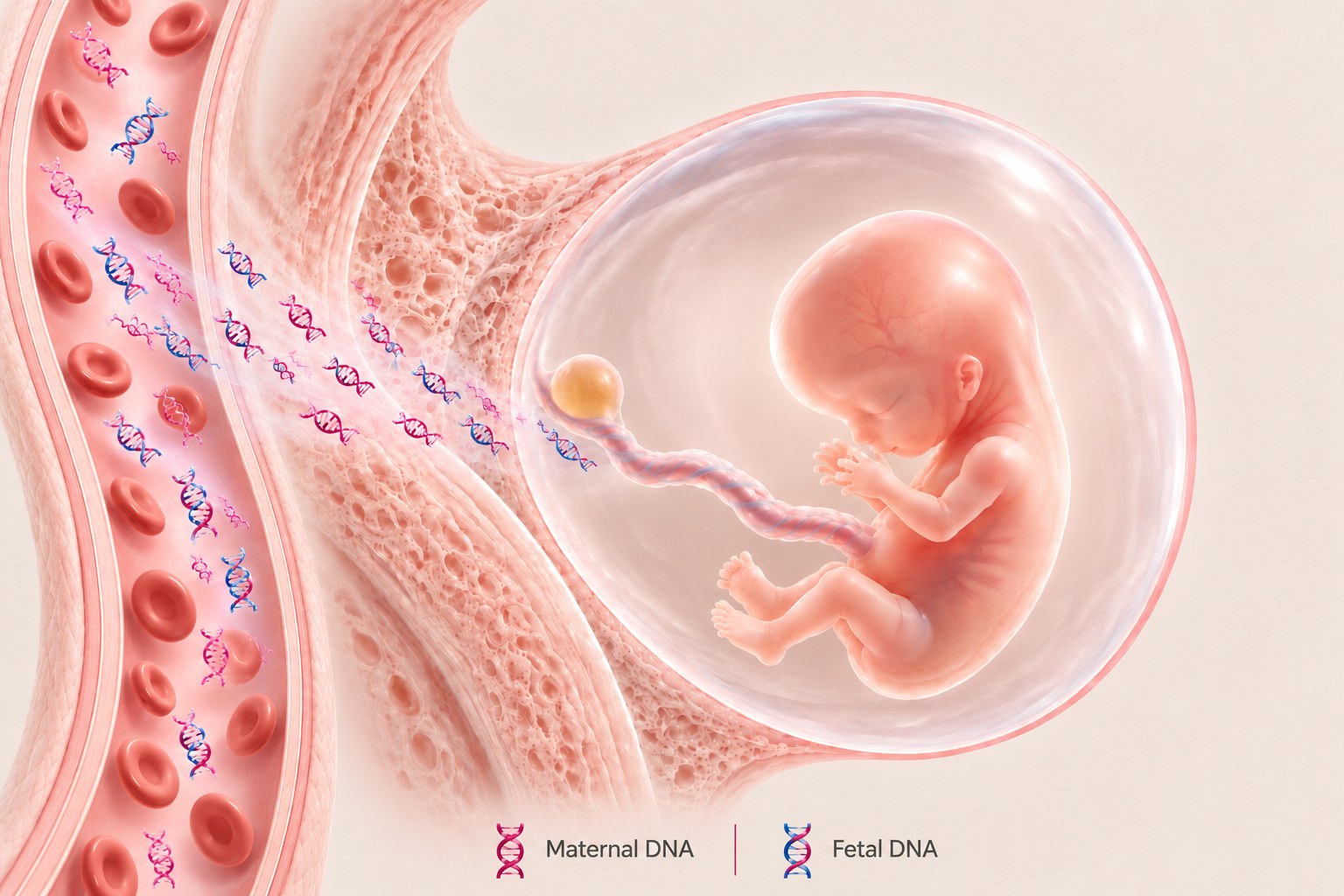
- Analyses DNA from your pregnancy for a clear, reliable result
- Available from 10 weeks, for reassurance earlier
- You would simply like peace of mind
When can NIPT be done
From 10 weeks of pregnancy
- Not yet 10 weeks? An early pregnancy scan can confirm your dates first
- Most people have NIPT between 10 and 14 weeks
- NIPT can still be done later in pregnancy
- Baby’s gender from 7 weeks with a separate early gender test
- NIPT complements, but does not replace, your nuchal scan and anatomy scan
NIPT is a screening test, not a diagnostic test. If your result shows a higher chance of a condition, we will explain your options, including confirmation with CVS or amniocentesis. No GP referral is needed.
Choosing the right NIPT test
The most appropriate test depends on
Not sure which to choose? Your consultant will discuss the options and help you decide.
Why families trust us
Consultant-led care, recommended by our patients.

Professor Ranjit Akolekar
MBBS, MD (Res), MRCOG · Consultant in Fetal Medicine and Obstetrics
A recognised expert in fetal medicine and high-risk pregnancy care, Professor Akolekar leads one of the region’s specialist Fetal Medicine services, with a career spanning tertiary NHS practice, academic research and consultant-led private care.
Read more about Professor Akolekar →What our patients say




Prefer to speak to us?
Our patient care team is happy to answer your questions and help you choose the right appointment.
01732 647072Call us07572 929888Message us on WhatsAppcare@thepregnancyclinic.comEmail our care teamOpening hoursTuesday 9am–8pm · Thursday 9am–5pm · Saturday 9am–7pm. Other days on request.
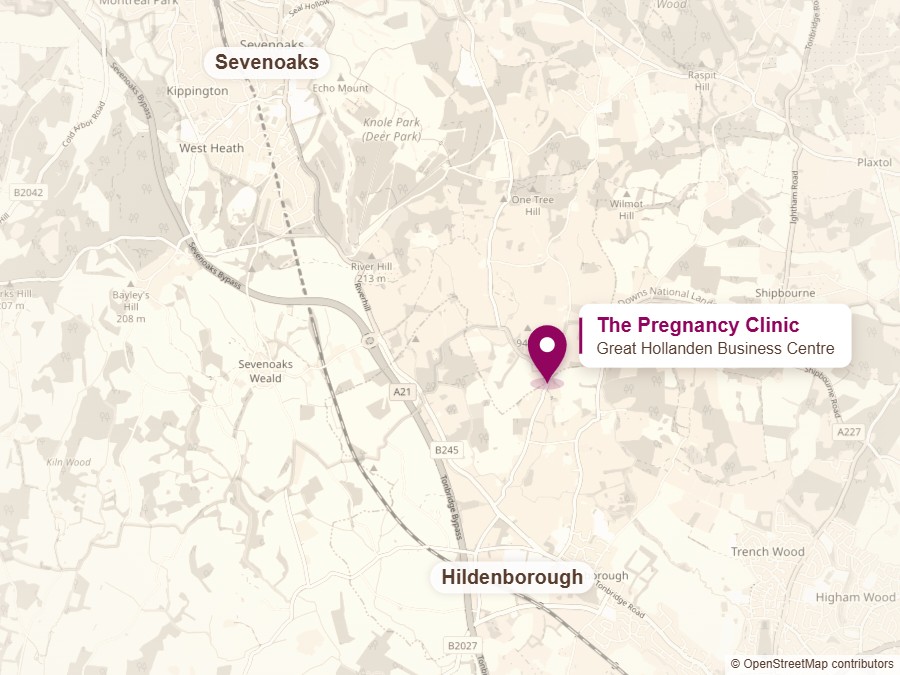
Find usThe Highland Suite, Great Hollanden Business Centre, Mill Lane, Underriver, Sevenoaks, Kent TN15 0SQ
Directions and parking →